Understanding the Impact of Central Valley's Climate on Your Lawn Care


Understanding the Climate of Central Valley
The Central Valley of California is known for its unique climate, which significantly impacts local lawn care practices. With a Mediterranean climate characterized by hot, dry summers and cool, wet winters, maintaining a lush, green lawn can be challenging. Understanding these climate conditions is crucial for effective lawn care.
Summers in the Central Valley can be particularly harsh, with temperatures often exceeding 90°F. These high temperatures can lead to drought stress in lawns, causing grass to turn brown and become brittle. On the other hand, the winter months bring cooler temperatures and more rainfall, which can present a different set of challenges.

Adapting Lawn Care Practices
To ensure your lawn stays healthy year-round, it's important to adapt your lawn care practices to the changing seasons. During the hot summer months, watering deeply but infrequently can help encourage deep root growth and increase drought resistance. It's also beneficial to mow your lawn at a higher setting to provide shade for the roots and reduce water evaporation.
In the cooler, wetter winter months, it's essential to manage excess moisture to prevent fungal diseases. Avoid overwatering and ensure that your lawn has adequate drainage. Aerating the soil can help improve water penetration and promote healthier root systems.
Choosing the Right Grass Type
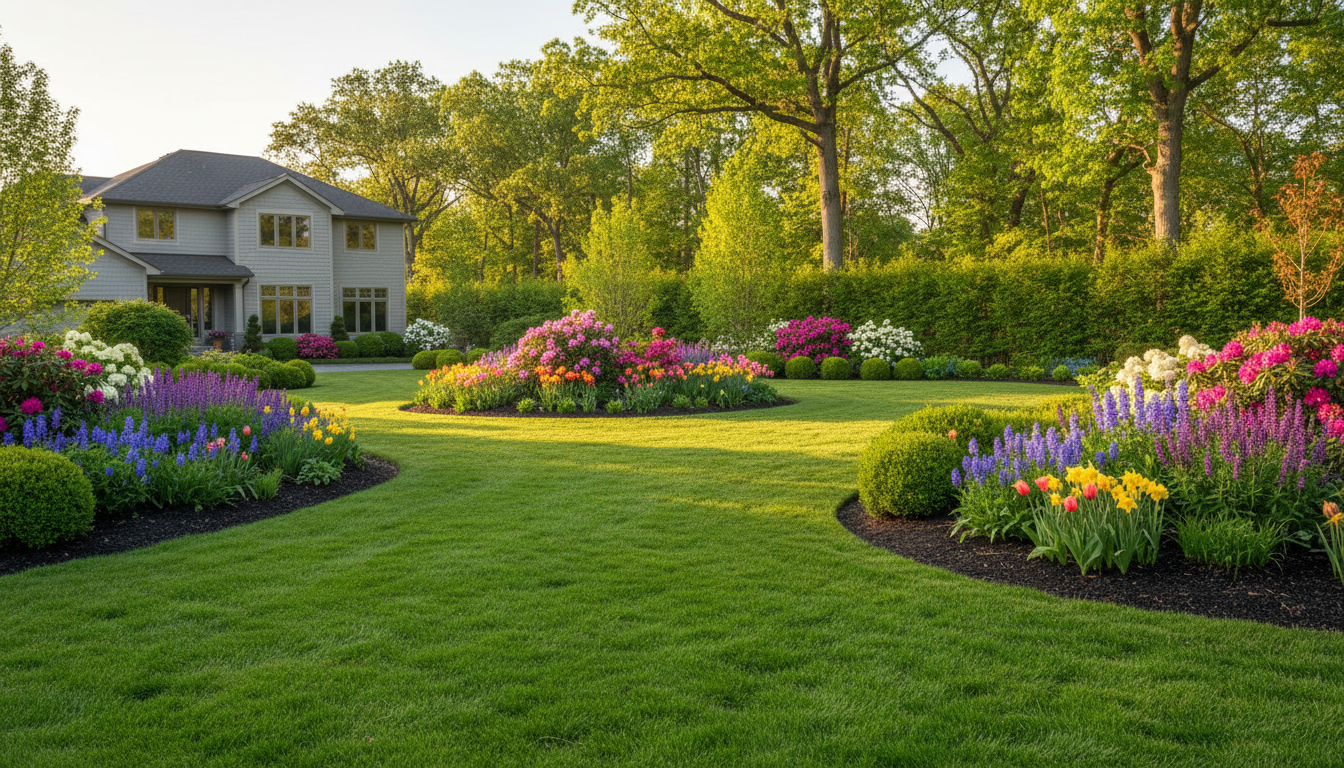
Selecting the right type of grass is another critical factor in successful lawn care in the Central Valley. Warm-season grasses, such as Bermuda and St. Augustine, thrive in the summer heat, while cool-season grasses like fescue may perform better during the cooler winter months. Consider a blend of grasses to ensure year-round resilience.
Using Mulch and Fertilizers
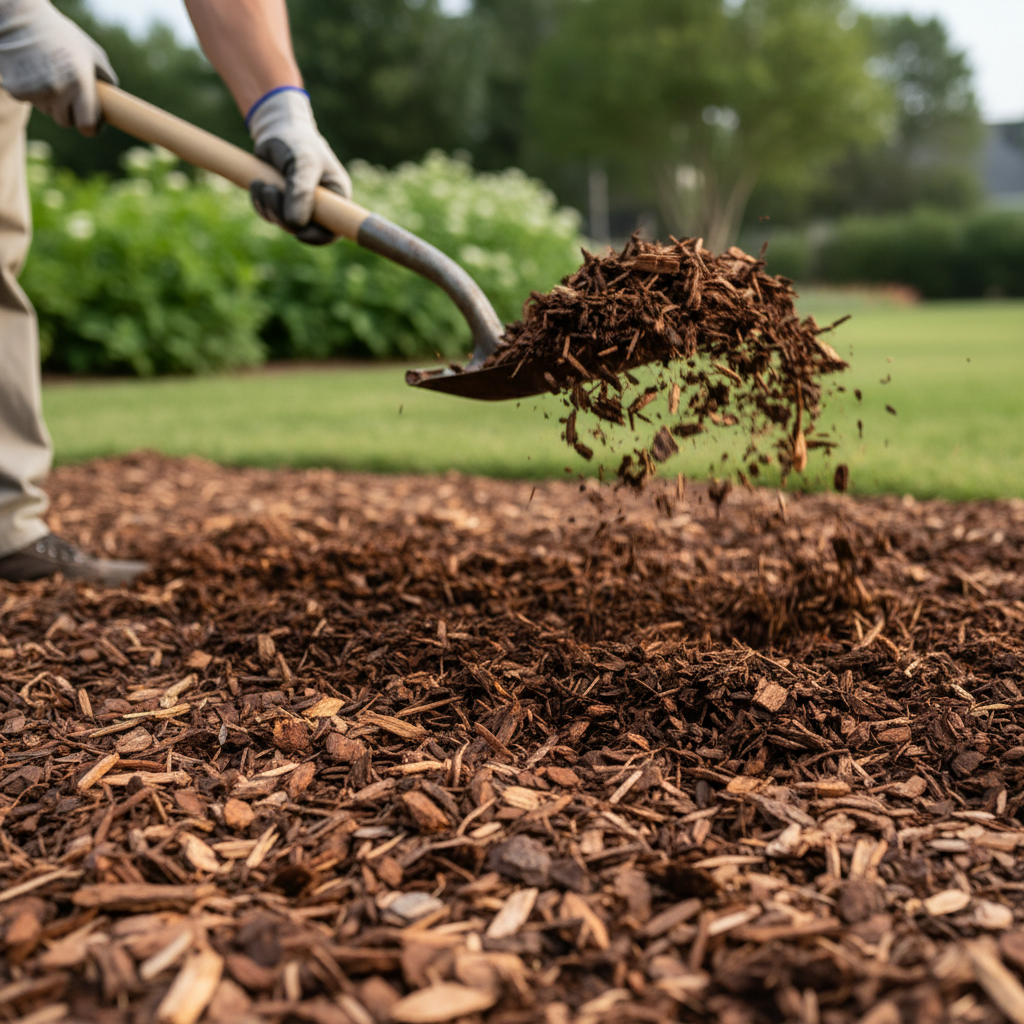
Mulching is an effective way to retain soil moisture and keep your lawn looking vibrant. A layer of organic mulch can protect the grass roots from extreme temperatures and reduce water evaporation. Additionally, fertilizing your lawn with the appropriate nutrients can enhance growth and resilience.
It's crucial to apply fertilizers at the right time of year. During the spring and fall, when grass growth is most active, is ideal for fertilization. Avoid fertilizing in the extreme heat of summer, as it can cause further stress to your lawn.
Pest and Weed Management
The climate in Central Valley can also affect pest and weed populations. Regularly inspect your lawn for signs of pests or invasive weeds, which can thrive in both dry and wet conditions. Implementing a proactive pest management strategy can help protect your lawn from damage.
Natural pest control methods, such as introducing beneficial insects or using organic pesticides, can be effective. For weeds, maintaining a healthy, dense lawn is the best defense, as it leaves little room for weeds to establish.

Seasonal Lawn Maintenance Schedule
Developing a seasonal lawn maintenance schedule can help you stay organized and ensure that your lawn receives the care it needs throughout the year. Consider breaking down tasks by season, such as mowing, watering, fertilizing, and pest control.
A well-planned schedule not only helps keep your lawn healthy but also frees up your time, allowing you to enjoy your outdoor space without the stress of constant upkeep.
By understanding the unique climate of the Central Valley and adjusting your lawn care practices accordingly, you can maintain a beautiful and healthy lawn all year round.